

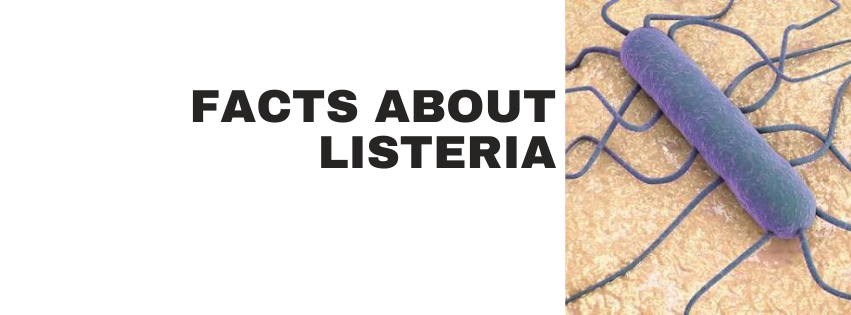
Facts About Listeria
What Is Listeria? Listeria is one of the few foodborne threats that behaves in a way most people do not expect. While refrigeration is widely relied on to slow or stop bacterial growth, Listeria Monocytogenes can survive and continue to grow at refrigerator temperatures. That ability alone makes it fundamentally different from many other pathogens …
Why Is Kibble So Popular?
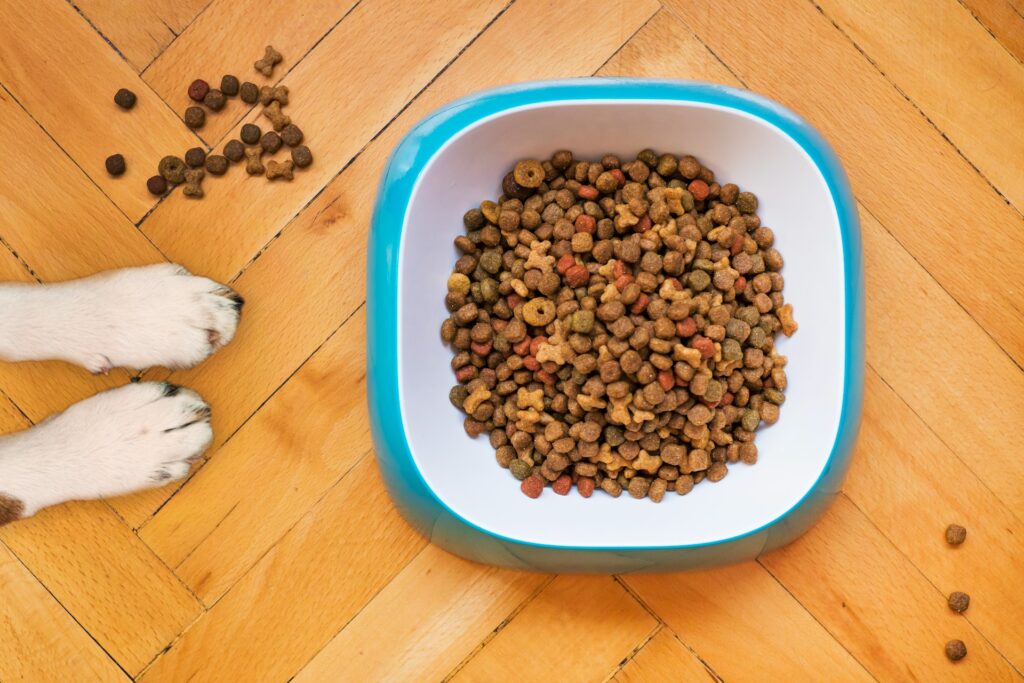
Why Is Kibble So Popular? Cost and convenience are the primary reasons kibble remains so popular, despite increasing knowledge of the health risks associated with a steady diet of ultra-processed ingredients. Kibble is made with the lowest cost ingredients, making it seem more affordable than fresh or whole food products. Kibble can be stored …

Why Is Fresh Food Getting More Popular?
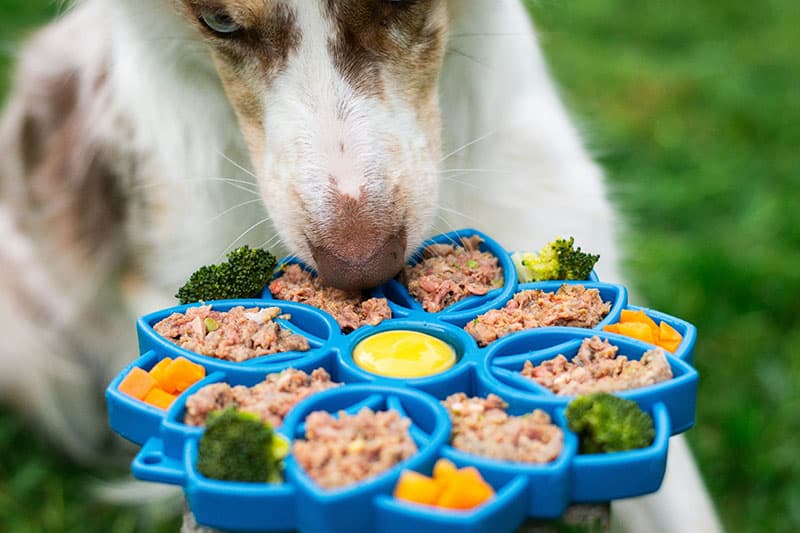
Growing Demand for Fresh Estimates suggest up to 20% of US pet food sales are for fresh food products, with growth far out-pacing dry and canned. As consumers become more aware of the risks associated with steady diets of ultra-processed pet foods and the benefits of fresh whole food diets, more are switching to fresh …

Life Stages: Dogs and Cats
Pets’ nutritional needs change over time as they go through their life stages, from gestation through adulthood. AAFCO has defined two Nutrient Profiles: Growth and Reproduction (from conception through active skeletal growth) Adult Maintenance (adulthood) Products claiming be “complete” diets must meet one or both of these Nutrition Profiles. While there are products claiming to …
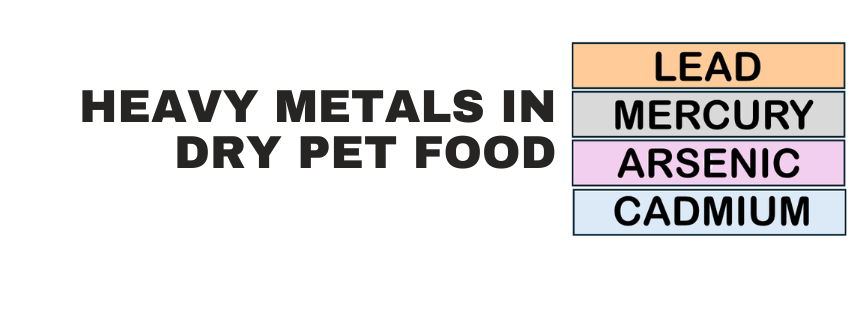
Heavy Metals In Dry Pet Food
There is growing awareness and concern about the levels of heavy metals and other contaminants in pet food: CNN has reported “alarming risk of heavy metals and other contaminants” in dry kibble based on independent laboratory testing.1 Clean Label Project reports high levels of heavy metals and other contaminants in 100% of the dry kibble tested.2 Wall Street Journal reports increases in chronic disease in pets that are attributed to heavy metals in ultra processed kibble.3 Two European articles present risks for …

Other Contaminants in Pet Food
While there are certain heavy metals that are widely recognized as contaminants in pet food, there are other less known contaminants that pose equal threat to pet health (link here). CNN, Clean Label Project, Wall Street Journal, and others report alarming levels of multiple contaminants in dry kibble, and significant increases in chronic disease …

Protein, Fat & Carbs-Their Relationship
People often think of protein as being synonymous with energy, without understanding the role that fats and carbohydrates play in the pet’s diet. There is a common misperception that “all carbs are bad” or that “less fat is always better”. But in fact, carbohydrates and fats are the first nutrients to be converted into energy. …

Health Issues Addressed By Food
Common Health Issues Attributed to Diet: Diet is the foundation for health. It is no wonder that occurrences of many health issues have skyrocketed since the introduction of highly processed commercial pet foods. While claiming to have all essential nutrients (as defined by AAFCO) highly processed foods are lacking in antioxidants, microflora and other natural …

AAFCO Feeding Trials
How Are Pet Foods Tested? When you see a pet food labeled as “complete” it means the company has followed at least one of the AAFCO-approved methods to ensure nutritional adequacy. Only one, the AAFCO Feeding Trial, actually tests the finished food in live animals. The other methods use database analyses or laboratory testing to …